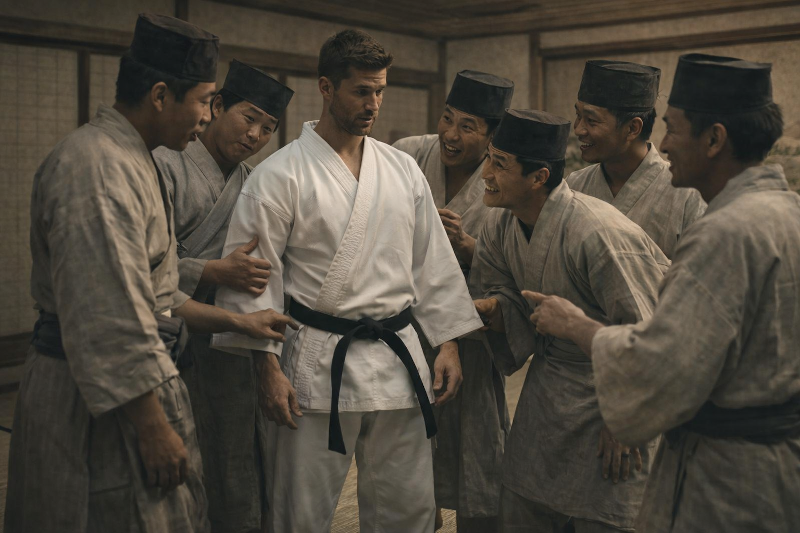

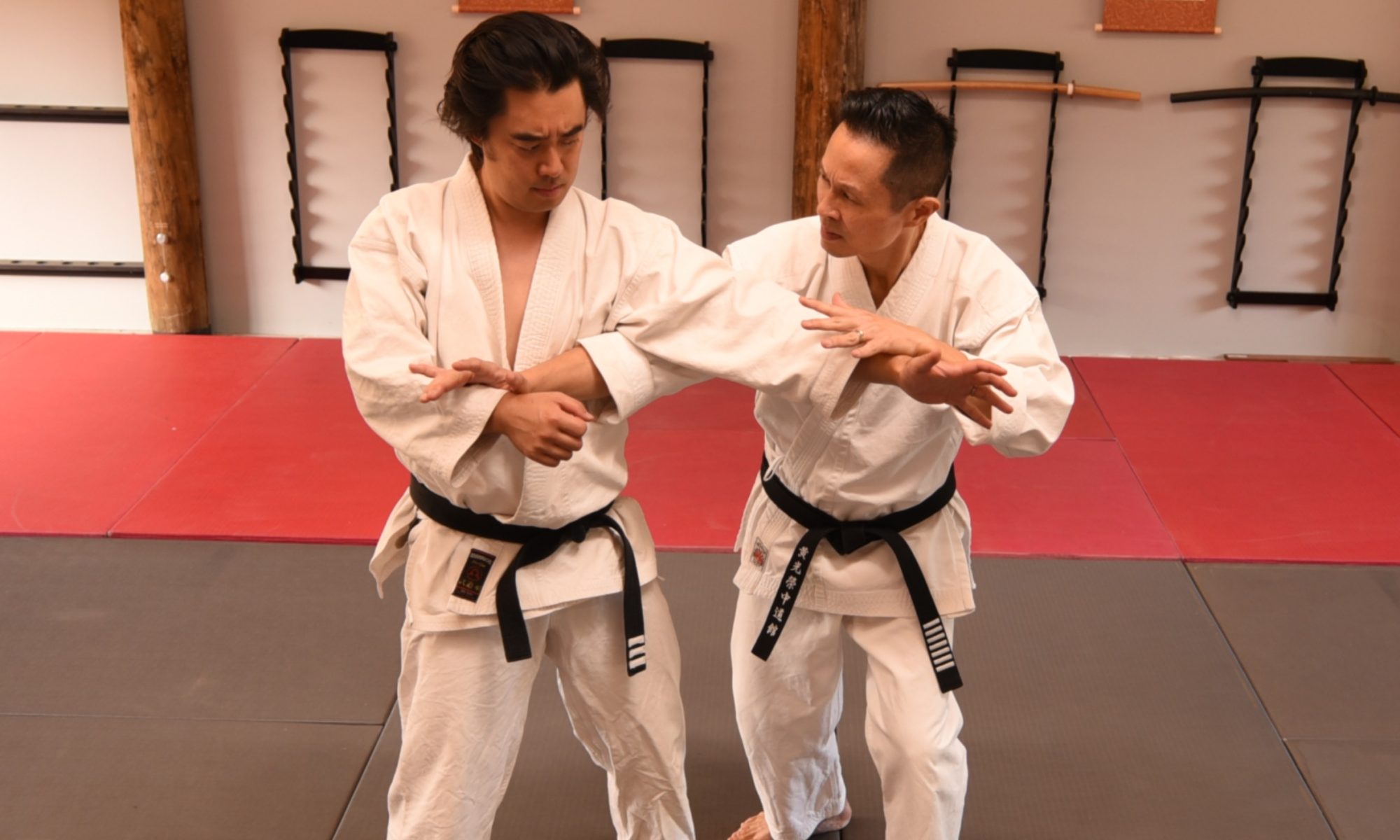

For more than four decades, our practice has been shaped by small rooms, hired halls, and the kind of training that values sweat over ceremony. Insight does not require a Japanese façade, it requires intent, discipline, and a willingness to look deeper than technique.
As an author, Colin Wee’s research is not confined to archives or field notes. Much of it is understanding how people moved, thought, adapted, and survived in the time periods Colin write about. The training he offers reflects this. It is not simply instruction in martial technique; it is an exploration of the historical context, cultural pressures, and tactical reasoning that shaped the pioneers featured in his books.
Colin offers training based in and around John Lekie Pavilion in Nedlands, Perth, Western Australia to small groups and dedicated practitioners who want to engage with the JDK Method at this deeper level. Sessions are held either in my home training space or in rented facilities when there is sufficient scheduled commitment to support the cost. This ensures that every session is purposeful, sustainable, and respectful of everyone’s investment.
Participants should expect a blend of physical practice, fitness and wellness, historical insight, and interpretive work drawn from the last one to two hundred years. Local beginners are welcome to express interest. Experienced practitioners may also be considered if their approach reflects focus, control, and open‑mindedness.
For those considering affiliation under the JDK banner, in‑person training is essential. International affiliates must commit to visiting one of our training locations, listed below, at least once a year. This is not a formality; it is how the art, the method, and the historical understanding are transmitted.
If this approach resonates with you, Colin Wee and Joong Do Kwan invite you to submit an Expression of Interest. I review each submission personally and will contact you if a suitable training opportunity becomes available.
Expectations of JDK Students
Training at JDK is a commitment to depth, discipline, and personal responsibility. Our standards reflect the seriousness of the art, the lineage we represent, and the level of trust required between teacher and student. Students who choose to train with us should understand and accept the following expectations:
1. Training Fees (Three‑Month Commitment)
Training is structured around six‑month cycles, which is the typical timeframe between gradings. Fees are paid in three‑month blocks to support continuity, discipline, and the long‑term development expected of all JDK practitioners.
2. Grading Does Not Guarantee Promotion
A grading is an assessment, not a reward. Students should expect to not pass at least once on their journey to black belt; this is an invaluabe part of the learning process.
3. Annual AKATO Membership
All students who continue beyond white belt must maintain annual membership with the American Karate and Taekwondo Organization (AKATO). Once you have been approved by your instructor as an ongoing student, head to AKATO’s website, download the form and pay the fee as indicated (New students US$25, renewals US$20.) This supports the recognition of lineage, our martial arts community, and international standards.
4. Required Reading
Two books and the blog post on etiquette form the foundation of our shared language and training culture:
- Breaking Through: The Secrets of Bassai Dai Kata — Colin Wee (buy here)
- Complete Book of Taekwondo Forms — Keith D. Yates (buy here)
- Etiquette for the Training Hall (read here)
5. Seminar Attendance
Students based anywhere in Australasia who continue training with JDK are expected to attend at least one seminar weekend hosted by the Australasian Martial Arts Hall of Fame (Inc) before black belt. These events provide exposure, community, and higher‑level instruction.
6. International Affiliate Requirements
International affiliates must train in person at least once biennially at either:
- JDK HQ (Western Australia)
- JDK USA (Schenectady, NY)
- ApproachTKD (Aberdeen, Scotland)
- AKATO Annual Seminar hosted in March, Dallas, TX.
This ensures technical accuracy, cultural continuity, and personal connection.
7. White Belt Does Not Guarantee Continuation
Training at white belt is an introduction, not an automatic pathway. Students may or may not be invited to continue beyond this rank. Progression depends on attitude, commitment, and alignment with JDK values.
8. Recognition of External Black Belts
Students who hold a black belt (or higher) from another school may wear their earned rank. A timeframe will be agreed upon to upskill to the equivalent JDK standard.
9. All Other Students Begin at White Belt
Regardless of previous experience, all students from white to black belt begin at white belt within the JDK system. This ensures consistency, shared foundations, and a common technical language.
10. Health & Fitness Requirements (Strict Entry Standard)
JDK training is physically demanding and requires a baseline level of fitness to ensure safety, longevity, and meaningful progress. Students who do not meet this baseline will not be permitted to train until they do.
This is not a judgement of appearance, it is a safety requirement and a reflection of the standards of our lineage.
Students who are significantly unfit, medically at risk, or morbidly obese must:
- obtain medical clearance from a qualified health professional, and
- complete a separate diet and exercise program to reach the minimum fitness baseline before joining regular JDK training.
Minimum Fitness Baseline (all students must meet at least one):
- BMI under 32 [see BMI Calculator for Athletes], or
- Body fat under 32% (men) / 38% (women), or
- Cardiovascular benchmark:
- Complete 6 minutes of continuous padwork, or
- Complete a 1 km walk in under 12 minutes, or
- Hold a 2‑minute static stance (horse stance, front stance, or similar)
Students who do not meet these baselines will be asked to return only after they have achieved the required standard.