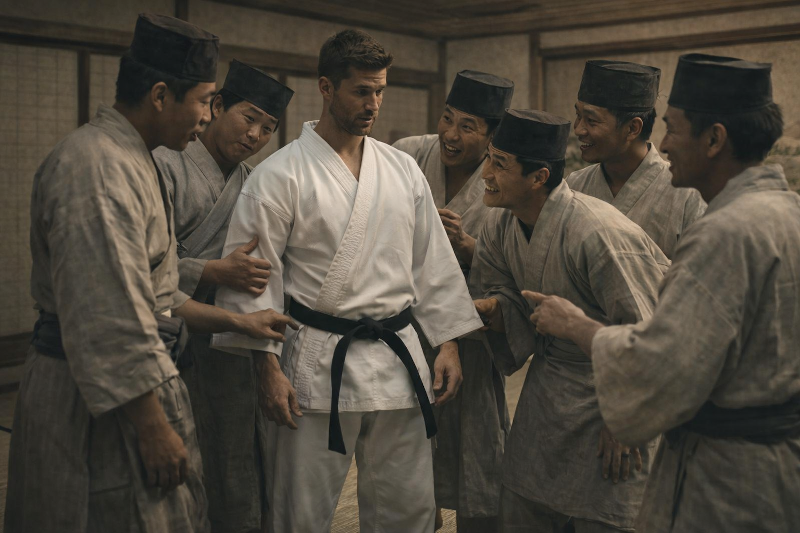

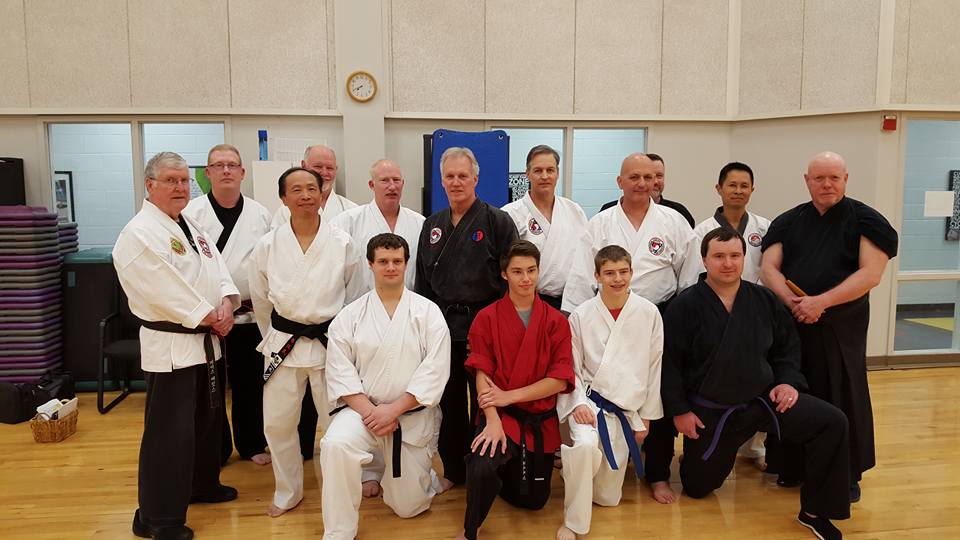
Etiquette plays a crucial role in shaping the mindset and environment that support effective martial training, including mental visualization.
Following etiquette helps you enter the training hall with intention. Bowing at the door becomes a physical and mental ritual to set aside daily concerns and step into a focused, reverential space. This ritual marks the transition from the outside world to the practice floor, preparing you to be present and ready.
Etiquette builds respect and discipline. When you treat the training floor, your instructors, and your training partners with consideration, you contribute to an atmosphere that encourages growth, learning, and mutual support.
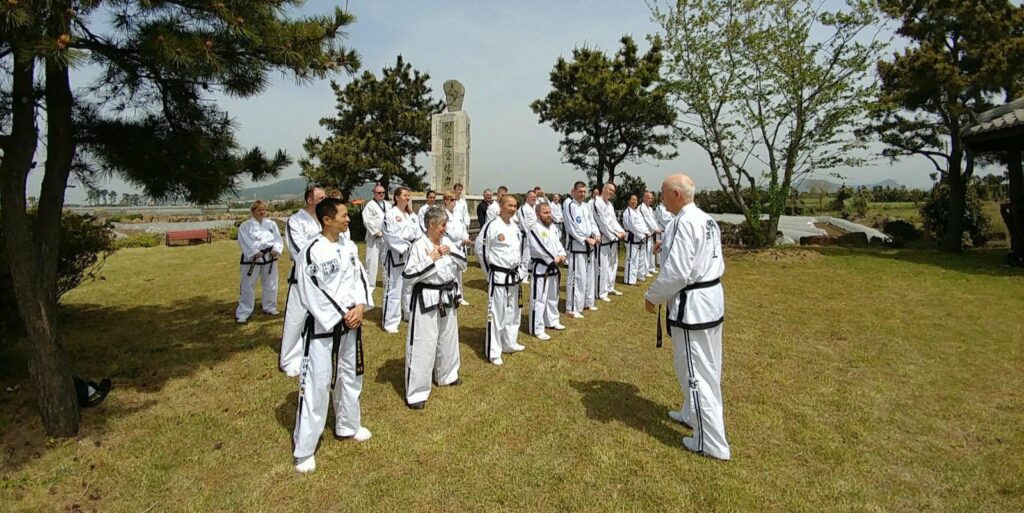
Just as importantly, etiquette establishes safety and trust. When everyone follows the same framework, you can train without distraction, knowing the environment is safe and predictable.
These rituals also help you shift smoothly between phases of training. Bowing to a partner or observing prescribed forms primes your mind to absorb instruction, respond to feedback, and engage with clarity.
Etiquette works hand‑in‑hand with mental visualization training. By rehearsing techniques with both your body and in your mind, you strengthen the neural pathways that support muscle memory, improve focus, and sharpen tactical awareness. Mental visualization let’s you bring the best parts of your yourself with you wherever you go.
Etiquette is not meant to make you uncomfortable or change who you are. Don’t let the guidelines discourage you. Learn them for the lessons they teach, they exist to help you train with intention, respect, safety, and clarity.
General Etiquette Guidelines
- Arrive early to warm up before class; inform your instructor in advance if you can’t come, disclose any pertinent issues to your instructor which might affect your performance or safety whilst practicing.
- Review material from previous classes.
- Wear a clean and presentable uniform.
- Ensure your feet are clean.
- Practice personal hygiene.
- Prioritize safety by using controlled techniques, seeking collaborative exchanges with training partners, keeping your fingernails trimmed short, removing jewelry, regularly exercising for strength and flexibility, getting enough sleep, and staying hydrated.
- Avoid attendance if you are unwell; do not spread your illness to fellow practitioners.
Etiquette of Greeting Seniors
Upon entering the training hall, seek to first greet bow the highest-ranking instructor present, where possible. Then bow to each other instructor in descending order of rank. When approaching instructors, use formal greetings like their official organizational title, or the appropriate title for their specific martial art lineage (Sahbumnim for Korean arts, Sensei for Japanese arts, and Sifu for Chinese arts). When an instructor addresses you, respond promptly with “sir” or “ma’am,” avoiding informal language. If you don’t know the instructor’s name, use “Sir” or “Ma’am” until you can properly greet them by name.
Bowing Etiquette
Bowing is a form of greeting and respect, similar to a handshake. The angle and duration of a bow vary depending on the situation. The general bow is a 30-degree forward bow from the waist, lasting about 3 seconds. During the bow, men keep their hands flat on their sides, while women may place their palms on the front of their thighs. Avoid nodding your head and keep your eyes slightly lowered toward the angle of the bow. . If someone from a different culture bows to you in acknowledgment or greeting, it’s customary to return the bow. This may lead to a series of bows, depending on the situation. A 5-degree bow is a simple greeting or acknowledgement, 15 degrees is a common salutation, 30 degrees is a respectful bow to show appreciation, and 45 degrees signifies deep respect, extreme gratitude, or an apology.
Entering the Training Area
Before stepping onto the mat, place your footwear facing outward and off the mat. Bow before stepping onto the mat.
Starting Regular Class
After regular class starts, it is important to follow the instructions and commands given by the instructor. When the instructor signals the start of class, all students should immediately stop what they are doing and move into a standing formation based on seniority. The highest ranking student will give the commands for a standing bow, as prompted by the instructor.
Starting Formal Class
During formal class, the instructor will clap his hands to gather the attention of all students. At this point, students should stop what they are doing and move into a kneeling formation based on seniority. Assistant instructors or guests will position themselves on the side left edge of the room, facing both the instructor and the students. Students will then wait for the commands to follow a kneeling bow to the flags or kamidana, bow to the instructor, and bow to the assistant instructors.
To kneel properly, make sure there is a fist width between your knees and cross your right toe over your left. Keep your back upright and rest your palms on your thighs. When bowing, hinge from the hip, extend your left hand in front of you, followed by your right hand, forming a diamond shape on the floor. Lower your head to about a hand span above your hands. When sitting back up, pull your right hand up first, followed by your left hand.
Recitation of Tenets or Precepts
During the class, there may be a recitation of precepts or tenets led by the instructor or assistants. Pay attention to these recitations and be aware that different schools may have variations in the specific wording.
On Lateness and Punctuality
If you arrive late to class due to circumstances beyond your control, enter the dojang quietly and wait at the edge of the mat. Wait for an instructor to acknowledge you before bowing in and quietly joining the class. Being punctual is important, as habitual tardiness can disrupt the training environment and is disrespectful to fellow students.
Talking in Class
While in class, it is important to maintain a focused and serious attitude. Avoid extraneous talking, coaching, or commenting on other students’ techniques, unless it is necessary for safety or constructive feedback. If you have observations or difficulties, discuss them in a respectful manner that does not disrupt the class or interrupt the instructor.
On Having Fun
Remember to enjoy yourself during class, but always work with dedication and effort. Follow the instructions given by your instructor and strive to repeat the techniques as demonstrated, without modifying them unless specifically encouraged to do so.
Following Training Instruction
If you have any concerns about the training, do not request special treatment, challenge opponents, argue with the instructor, or compare different instructors. Instead, communicate with your partner about any safety issues or discuss the matter with the instructor when appropriate.
Walking Around a Group
When moving around the training area, be respectful and mindful of others. Choose to cross behind people who are practicing, seated, or waiting for instruction. Never cross between the instructor and the students he is teaching, unless you are physically unable to do so. In that case, apologize and cross while holding your right hand in front of you, palm facing left, and lowering your head.
Begin and End with a Bow
Always begin and end any practice or interaction with a bow. Before engaging in practice with your partner, bow first. When finished, bow to conclude the session. If you are asked to assist the instructor with a demonstration or as a partner during the lesson, approach the instructor, bow, and stand ready for instruction. If the instructor turns away from you, drop to your left knee with your hands folded on your right. When the instructor turns back to you, quickly get up and assume the ready position until told otherwise.
Working Collaboratively
Throughout the class, maintain a respectful attitude towards your fellow students. Treat everyone with courtesy, regardless of their rank or skill level. If you are working with a partner, always show consideration for their safety and well-being. Avoid excessive force or aggressive behavior during training. Remember that martial arts are not about dominating your fellow training partners but about self-improvement and mutual growth.
Leaving the Training Area
If you need to leave the training area during class for any reason, seek permission from an instructor before doing so, explaining the reason for your exit. If you need to use the restroom or take a break, do so in a timely manner, but try to minimize your absence, and do not disrupt the class on your return. If you are injured, please make sure to inform the instructor and communicate if you require medical attention.
End of Class
At the end of the class, the instructor will again gather everyone’s attention. Follow the instructions given by the instructor for the closing formalities. This may include bowing to the flags or shomen or kamidana, bowing to the head instructor, and bowing to the assistant instructors. Pay attention to the specific commands and sequences and follow them accordingly.
After the class is officially dismissed, it is customary to thank the instructor and the assistant instructors for their guidance. You can do this by approaching them, bowing, and expressing your gratitude. It is also a good practice to show respect to your training partners by acknowledging their efforts and thanking them for their cooperation during the class. Additionally, if you are unable to make the following training session, this is a good time to advise your instructor and apologise for the lack of attendance.
When you return home, wash your uniform, air-dry equipment if needed, and revise your material before your next class.
Visiting External Schools or Seminars
The principles and etiquette discussed here may vary slightly depending on the specific martial art style or school you are training in; it is important to ask ahead about the specific rules and customs of any martial arts school you visit and follow them accordingly. This extends to the insignias you use on your uniform, the grade you display, and the fees you might have to pay on the day. It might also be appropriate to bring a small gift or token of appreciation when visiting a school for the first time. Refrain from taking photos or videos until you have sought permission to do so.
By adhering to the guidelines and etiquette of the class, you will contribute to a positive and respectful training environment. Martial arts training is not only about physical techniques but also about developing discipline, respect, and character. Embrace the opportunity to learn and grow both as a martial artist and as an individual.
On Supporting Martial Art Schools
This last one is not advice on etiquette. If you come across a worthy martial art leader who is also an ethical business owner, why not show your appreciation by bringing a friend along with you, drop a positive review on Google (or FaceBook,) or send them Seasons Greetings.
Bio: Colin Wee is a Singaporean author, martial‑arts instructor, and cultural historian whose four‑decade practice spans Asia, Australia, and the United States. Known for his analytical approach and deep tactical insight, Colin blends historical research with lived experience to illuminate the human stories behind martial traditions. He is the founder of Joong Do Kwan in Perth, Western Australia, and serves as Secretary of the Australasian Martial Arts Hall of Fame (see About the Author).